
Artificial Intelligence, Data, and Education
Connecting data, AI, and strategy to create tools and insights that drive impact
What I have built so far
Hey, I am glad you are here!
I create tools and insights that help organisations make better decisions and reach the people they serve. My background is in education research, but my work now spans data analytics, AI application design, and digital advocacy.
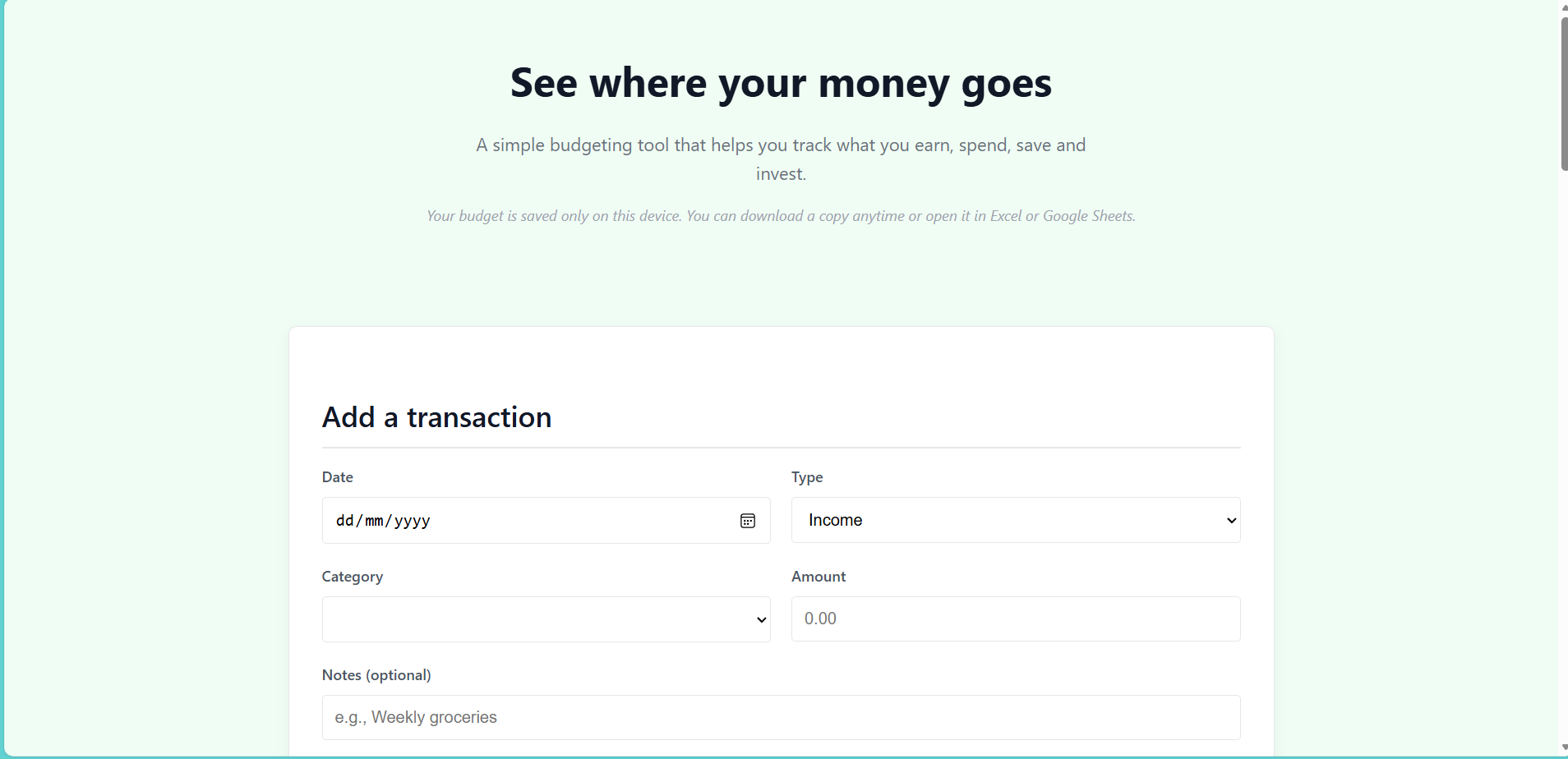
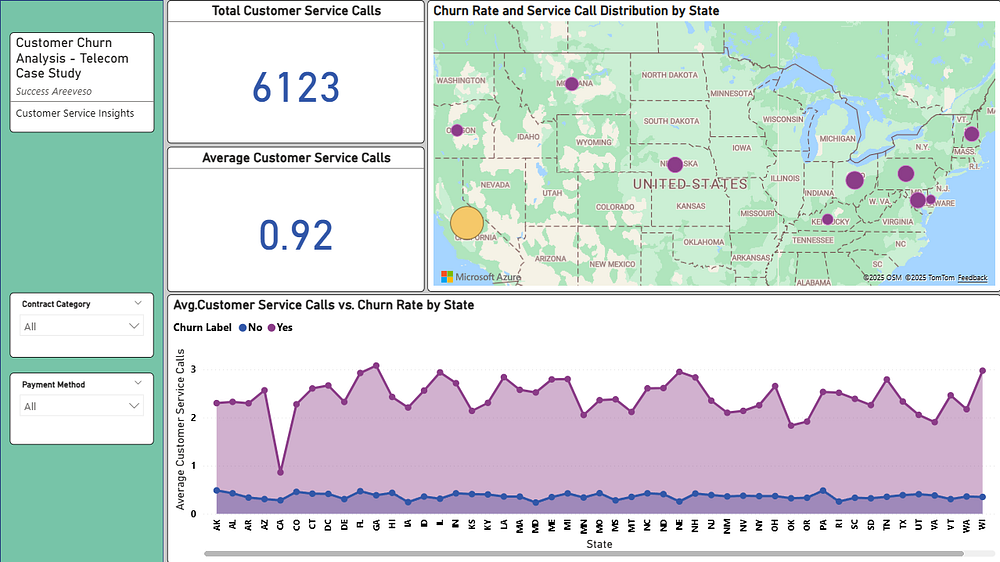
I’m currently a Data Analytics Intern at Amdari, where I build Power BI dashboards, run funnel analyses, and turn messy data into actionable insights for decision-makers. I also created Advocacy Studio (advocacy-studio.vercel.app), an AI-powered web app that helps grassroots organisations design advocacy campaigns in minutes, and published a 38-page Digital Advocacy Campaigns Toolkit, which has been downloaded in 10 countries.
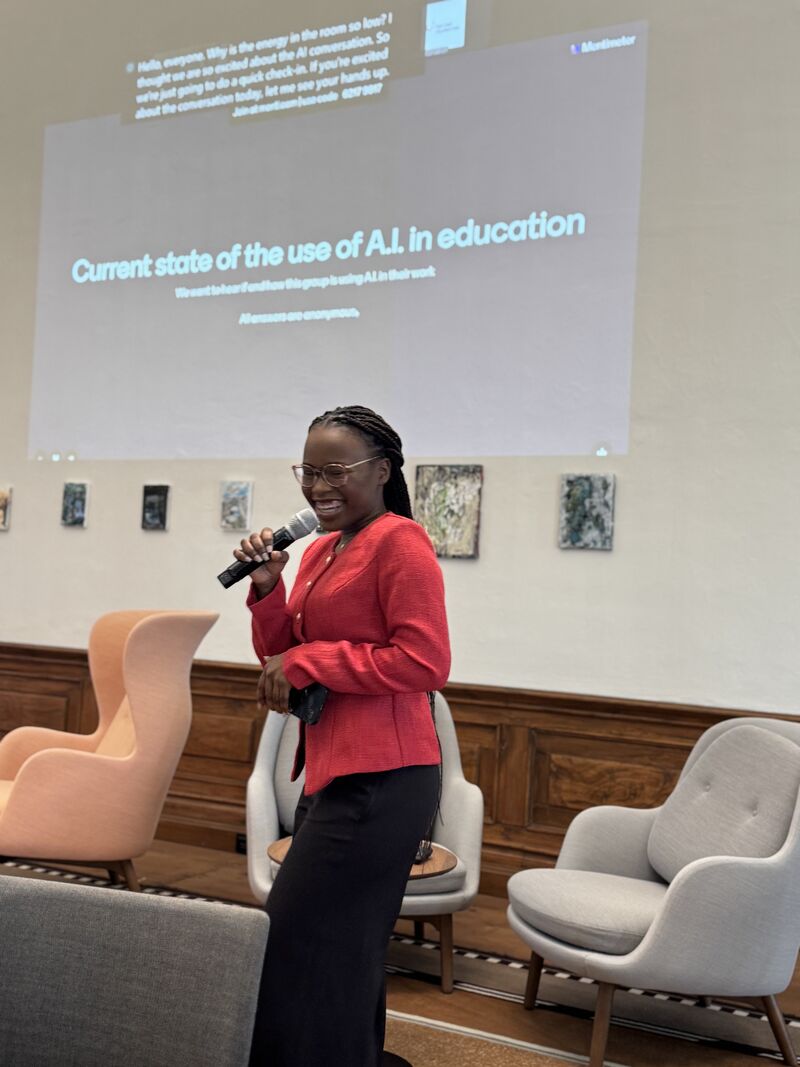
My Master’s research at the University of East Anglia (Distinction, Allan and Nesta Ferguson Scholar) investigated how university students use generative AI tools. As a Salzburg Global Fellow and a presenter at the University of Cambridge’s Generative AI in Education Conference, I bring an international perspective to questions about AI governance, data-driven decision-making, and inclusive technology.

Advocacy Studio
I built Advocacy Studio because small grassroots organisations and community educators rarely have access to campaign consultants, but they still need to advocate for the communities they serve.
Advocacy Studio is an AI-powered web app that helps advocates turn an issue they care about into a concrete campaign plan in minutes. I released the first version in December 2025. I have now co-created the second version, which walks users through three guided stages: defining a problem, mapping stakeholders, and shaping a SMART campaign goal. It uses Gemini AI to generate first-draft campaign content that users can edit, refine, or reject, and exports the final plan as a PDF.
I conceived the product, designed the user flow, wrote the product requirements, and shaped the ethical guidelines that keep the AI grounded in the user’s own inputs rather than generating generic suggestions.
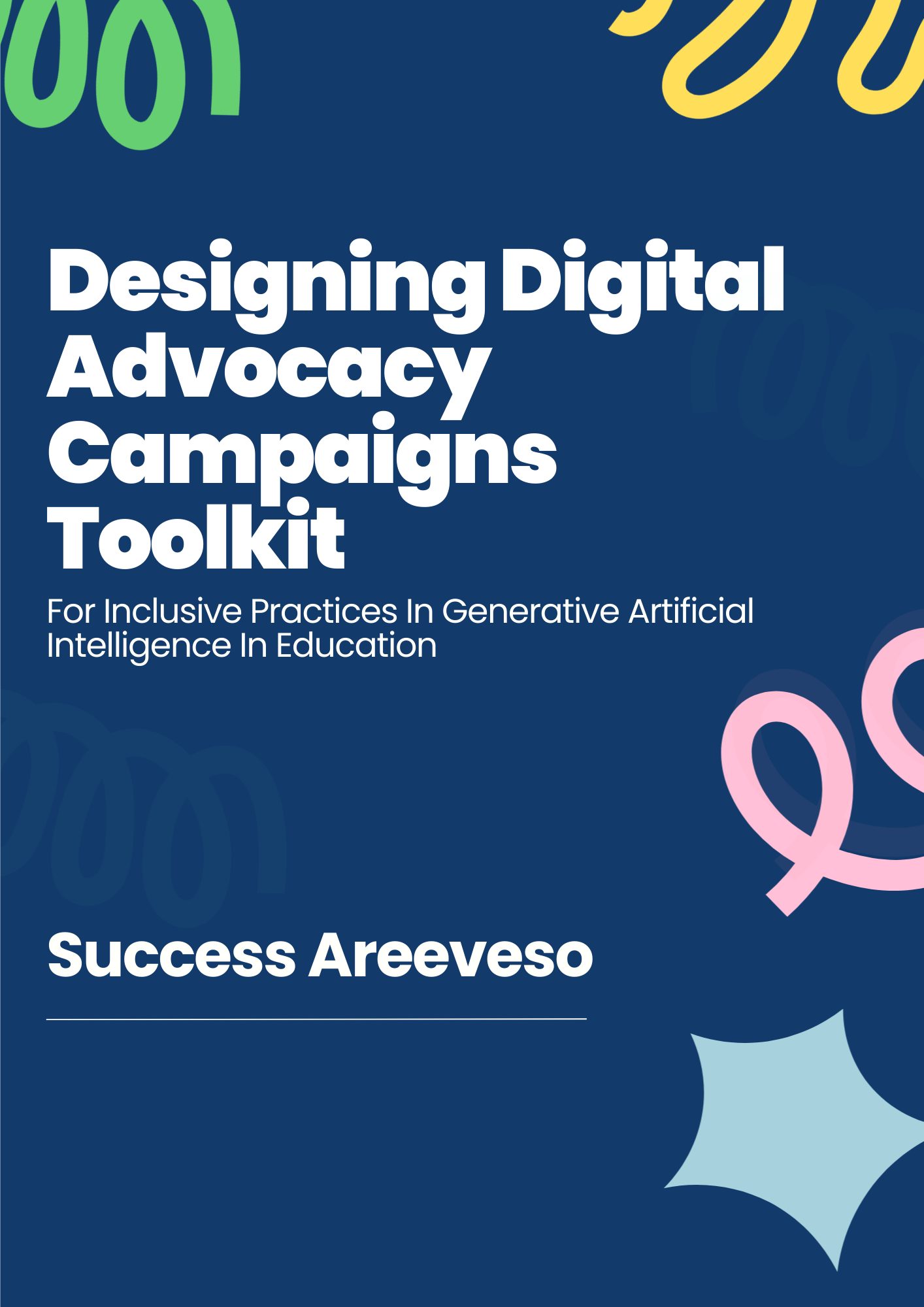
Designing Digital Advocacy Campaigns Toolkit for Inclusive Practices in Generative Artificial Intelligence in Education.
I created this toolkit after my presentation at the Cambridge Generative AI in Education Conference (27–29 October 2025) because I kept hearing the same need: people don’t just want to be told that generative AI is changing education. They want practical ways to shape how these tools are created and used, so change happens with communities, not to them.
Designing Digital Advocacy Campaigns for Inclusive Practices in Generative AI in Education is a step-by-step guide for turning concern into action. It helps young people, educators, institutions, and communities build inclusive, realistic digital advocacy campaigns without needing a big budget or a large team. The toolkit centres three core inclusion priorities: Access, Bias, and AI Literacy, and it uses a straightforward seven-step campaign-building process that takes you from defining the problem and who it affects, to identifying your audience, choosing platforms, shaping your story, setting a SMART goal, and tracking progress.
To make the toolkit even more usable, I also created a companion no-code AI campaign builder app that guides users through the same seven steps and generates a campaign plan and a first draft of a social media post. Together, the toolkit and app support a conversation-driven, accessible, and grounded-in-real-educational-contexts advocacy, helping people start small, iterate quickly, and build momentum toward more inclusive, generative AI practices in education.
